
Skip to content

StockIQ vs Netstock

Is It Time to Find a Better Fit for Your Business?

See how StockIQ stacks up against Netstock on planning depth, total cost, and support — and decide with confidence.

Evaluate your options now

If you’re a Netstock customer facing pricing shifts or reassessing long-term value, you’re not alone.

Rated Higher Where It Matters Most

When distributors compare StockIQ and Netstock side by side on G2, a clear pattern emerges: StockIQ wins on the metrics that directly affect planner productivity, time to value, and long-term partnership. Here’s what verified customers say.

Explore the full G2 review breakdown icon arrow right 16

Re-evaluating

Re-Evaluation Comes Before Switching

This moment isn’t about reacting. It’s about ensuring your planning system still fits where your business is headed.

Switching systems is rarely the first move. Re-evaluation is. Across the mid-market, we’re hearing similar conversations:

Evaluate Your Options

  • When Pricing Changes, Everything Gets Re-Examined

    Planning software is a multi-year investment. A significant pricing shift is often the moment distributors finally run a proper Netstock vs StockIQ comparison — and discover the gap is wider than expected.
  • CFO & Board Scrutiny Is Increasing

    Inventory is one of the largest balance sheet assets. Technology supporting it must justify itself clearly.

  • Planning Tools Are Long-Term Infrastructure

    Inventory planning shapes service levels, inventory exposure, and operational risk. The right fit compounds over time.

  • Basic Replenishment Logic Stops Being Enough

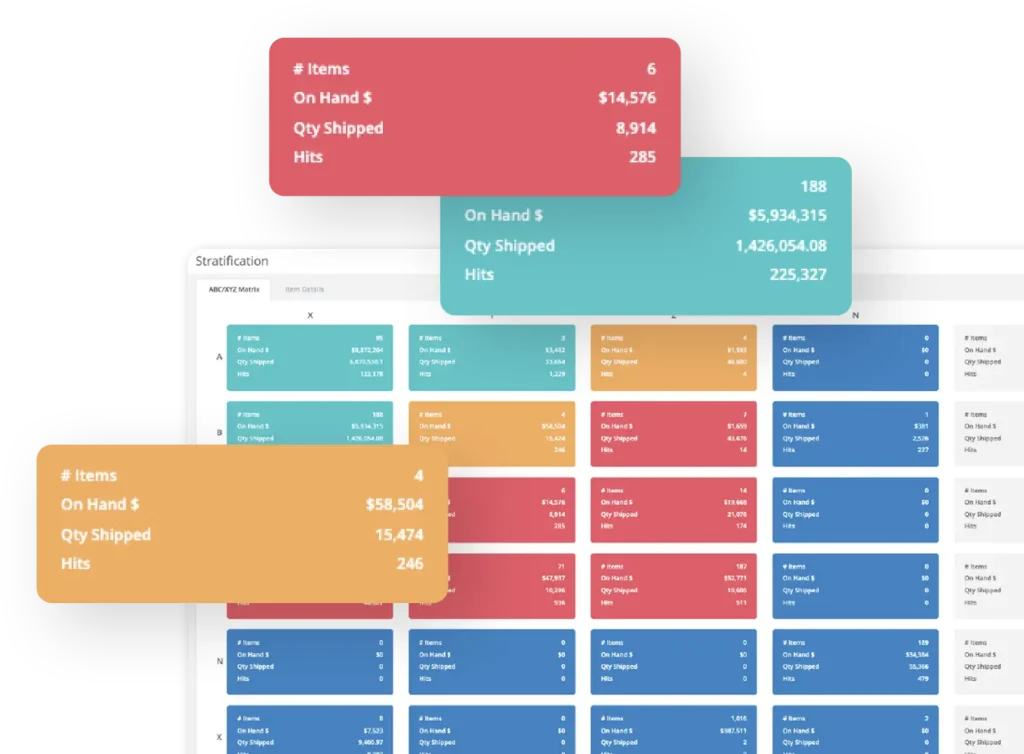
    As SKU counts grow and demand volatility increases, companies need more than automated reorder points. They need a platform that handles segmentation, service-level targeting, and supplier variability — which is where StockIQ pulls ahead of Netstock.

How Hard Is It to Switch?

It’s the natural next question. The transition from Netstock to StockIQ is designed to reduce operational risk.

WhyStockIQ Purchasing Teams

Step One

Forecast Continuity Comes First

While there isn’t a single “export everything” option from Netstock, forecast data — the most critical planning asset — can be exported and preserved. For most teams, forecast history represents the majority of what truly needs to carry forward.

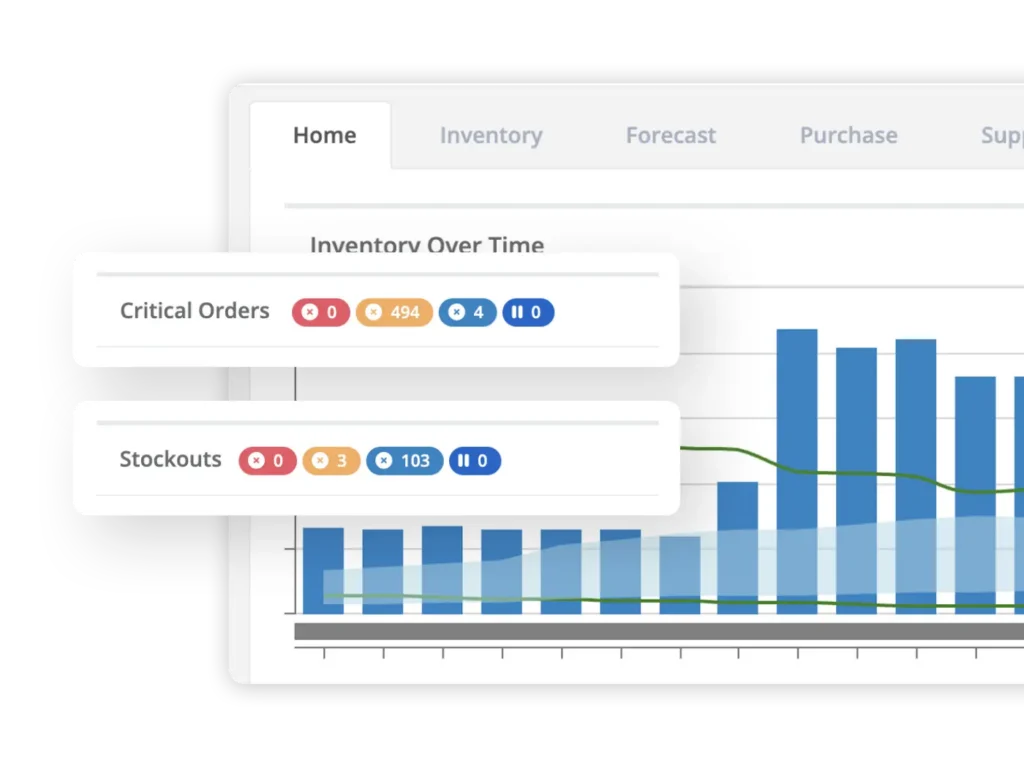
SIQ Home Inventory Analysis Screen

Step Two

Side-by-Side Validation

StockIQ can import Netstock forecast formats into a controlled demo environment. Compare results before any production decision. Validate planning logic without operational exposure.

WhyStockIQ Demand Planners

Step Three

No Forced Cutover

Many teams run StockIQ in parallel before fully transitioning. Confidence builds through comparison — not pressure.

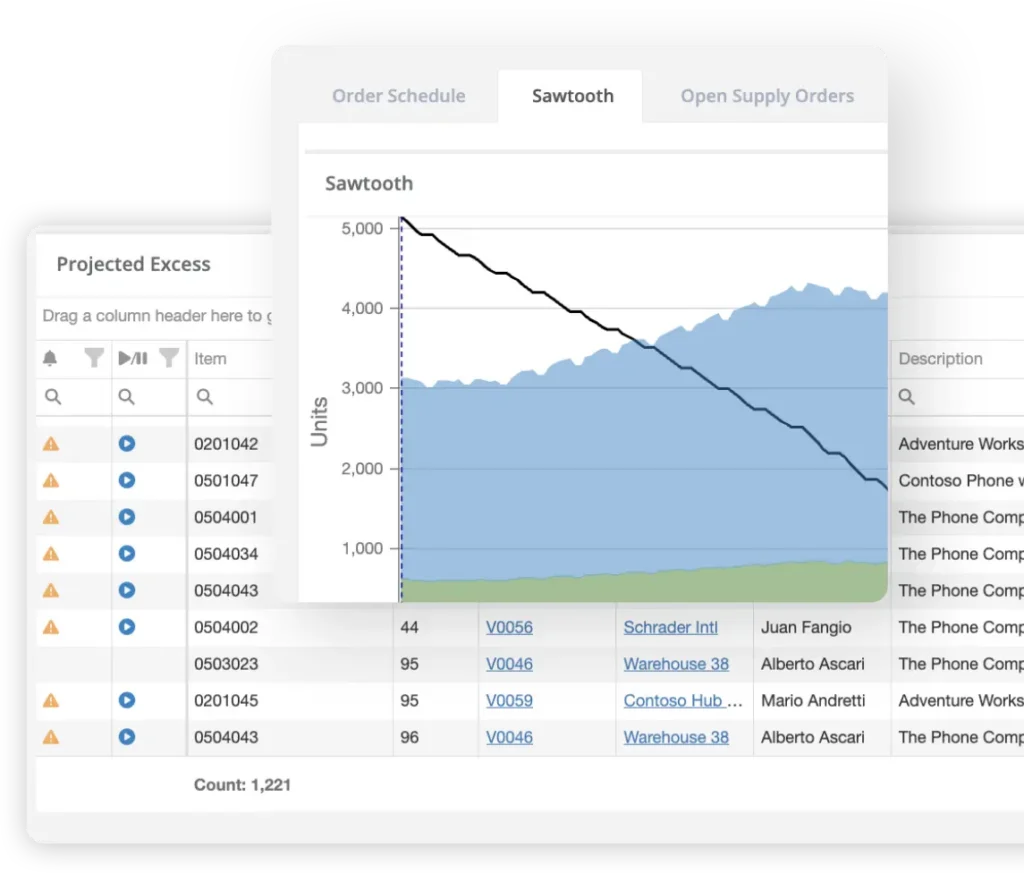
SIQ Home Replenishement Screen

Step Four

Weeks, Not Months

Transitions are typically measured in weeks. This is not a rip-and-replace exercise. It’s a controlled evaluation designed to protect your data, planners, and performance.

Beyond Features. A Difference in Approach

Rather than a checklist comparison, the real difference shows up in how each platform supports decision-making.

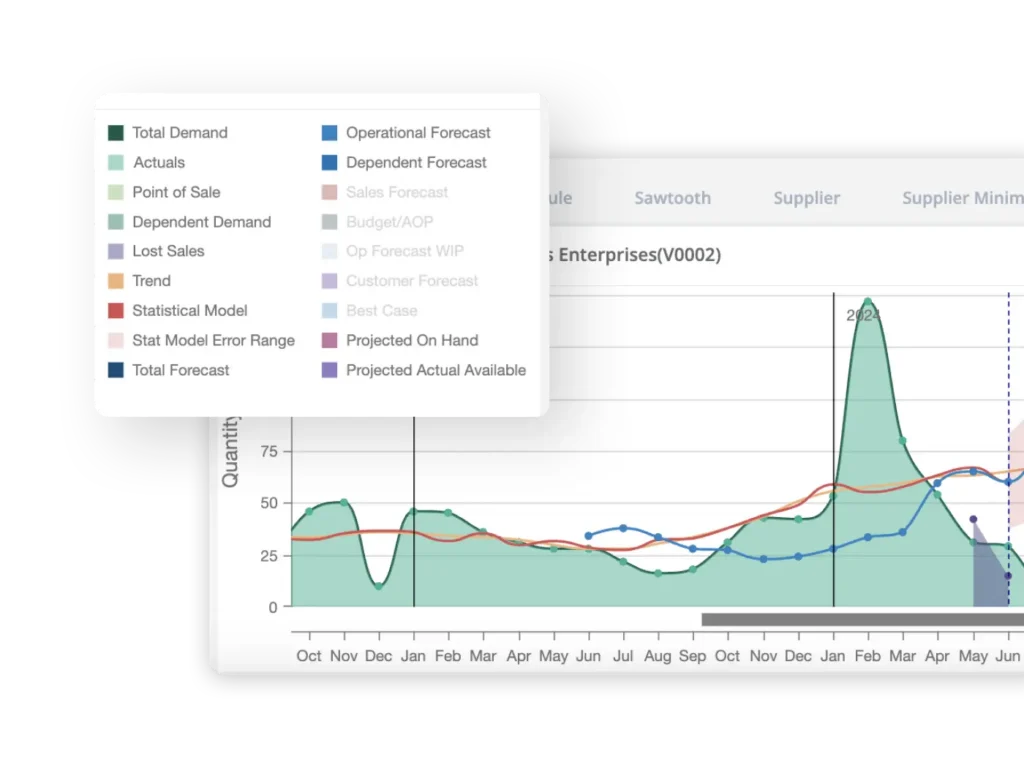
  • WhyStockIQ Demand Planners

    Demand Planning Depth

    Built for Planning Depth, Not Just Replenishment

    Where Netstock focuses on replenishment triggers, StockIQ builds forecasts around service-level targets, demand variability, and SKU segmentation. Planners don’t just get reorder points — they get insight into why demand is shifting and what to do about it.

  • SIQ Home Replenishement Screen

    Replenishment Planning

    Replenishment That Scales With You

    StockIQ combines automation with planner control. Exception management surfaces only what needs attention — reducing noise while giving your team more confidence in what gets ordered and when. Teams switching from Netstock consistently report fewer emergency POs within the first quarter.

  • SIQ Home Inventory Analysis Screen

    Inventory Visibility Across Your Entire Operation

    Designed for Mid-Market Complexity

    High SKU counts, multiple warehouses, variable lead times, promotions, and seasonality — StockIQ is built for exactly this complexity. Rather than giving you a single number to act on, it gives you the context to act confidently. Distributors frequently cite inventory reduction of 10–20% after moving from Netstock to StockIQ.

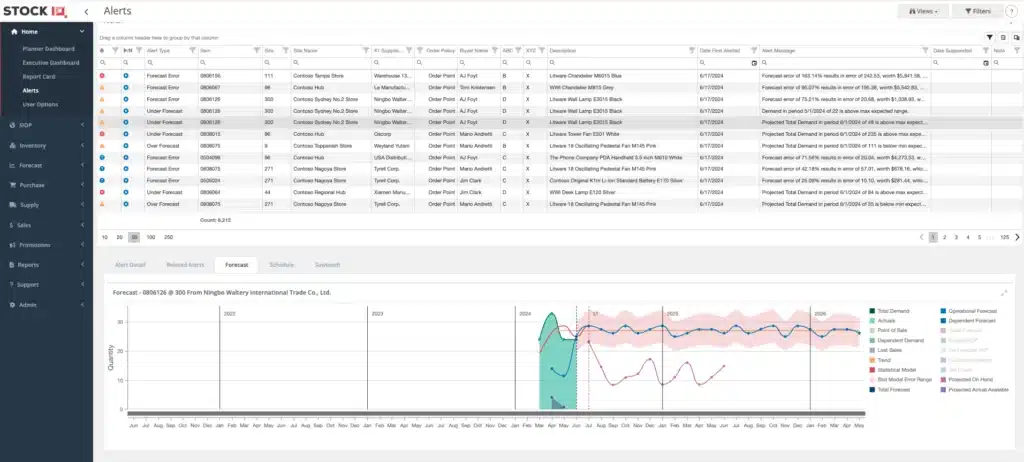
  • Alerts

    Customer Service

    Support That Doesn’t Disappear After Go-Live

    One of the most consistent themes from teams who switch from Netstock is the difference in support experience. StockIQ’s team works directly with planners — not through tiered ticketing systems. Rated highest on G2 for quality of support among Netstock competitors, this is a practical advantage that compounds over years, not just implementation.

Snapshot

Operational Results That Matter

g2 logo circle

On G2, StockIQ is frequently recognized for:

The result? Fewer firefighting moments. More proactive decision-making.

Ready to Run a Real Comparison?

A 30-minute conversation with our team will show you exactly where StockIQ fits better than Netstock — and where Netstock may still make sense for your situation. We’ll be direct about both.

  • icon check 24 Your actual SKU count and demand patterns evaluated against both platforms
  • icon check 24 A realistic switching timeline based on your ERP
  • icon check 24 A side-by-side cost comparison over 3 years
  • icon check 24 What your first 60 days with StockIQ would look like

Get My Free Comparison

FAQs

How long does it take to migrate from Netstock to StockIQ?

Most transitions are measured in weeks, not months. StockIQ’s implementation process is designed specifically for mid-market distributors who cannot afford extended downtime. We begin with a parallel validation period — importing your Netstock forecast data into a controlled StockIQ environment so your team can compare outputs before any production cutover. For most customers, the full transition takes 6–10 weeks depending on ERP complexity and the number of locations involved.

Will StockIQ integrate with our ERP?

Yes. StockIQ has pre-built integrations with Microsoft Dynamics 365 Business Central, D365 Finance & Operations, Dynamics GP, NetSuite, Epicor, SAP Business One, Sage, and Acumatica, among others. If your ERP isn’t on the standard list, our team has extensive experience with legacy and custom integrations. ERP compatibility is one of the first things we confirm in an initial evaluation conversation.

Is StockIQ more expensive than Netstock?

Pricing depends on your specific configuration, number of users, and ERP setup — so a direct comparison requires a conversation. What we consistently find is that when distributors calculate total cost of ownership over 3 years (including any recent Netstock pricing changes), StockIQ is competitively positioned. More importantly, customers who switch from Netstock typically see inventory reductions and service-level improvements that more than offset the platform cost.

Will we lose our historical data if we switch?

No. Forecast history — the most critical planning asset — can be exported from Netstock and preserved in StockIQ. While there is no single “export everything” function, our implementation team guides you through exactly what to extract and how to validate it in the new environment before go-live.

Where does Netstock still make sense over StockIQ?

Netstock can be a reasonable fit for smaller distributors with lower SKU complexity, simpler supplier relationships, and limited need for demand planning depth. If your primary need is basic replenishment automation and your catalog is relatively stable, Netstock may serve you adequately. StockIQ is the stronger choice when forecast accuracy, service-level targeting, inventory segmentation, or multi-location planning are meaningful priorities.