
Cost Predictability Matters
Planning software is a long-term investment. As pricing and scope evolve, teams need clear visibility into total cost and ongoing value.


StockIQ vs Blue Ridge
Blue Ridge customers are losing days. StockIQ customers aren’t losing sleep.
StockIQ costs 2–4x less than Blue Ridge. Plus aggressive migration pricing for switchers.
Rated #1 in Overall Satisfaction for Supply Chain Planning — G2 Fall 2026
Recent service disruptions have pushed many Blue Ridge teams to take a closer look at flexibility, reliability, and long-term value.
Inventory performance, service levels, and working capital all depend on your planning system actually being available when you need it.
StockIQ is designed for planners who need clarity and control without the overhead of complex, enterprise systems.
Highly rated on G2 for ease of setup, usability, and ongoing support, with a focus on long-term customer success.
Re-evaluating your planning approach
We’ve built a dedicated migration path for teams moving off Blue Ridge to make the switch straightforward.
Talk to us about your timeline.
It’s the natural next question. The transition from Blue Ridge to StockIQ is designed to reduce operational risk.
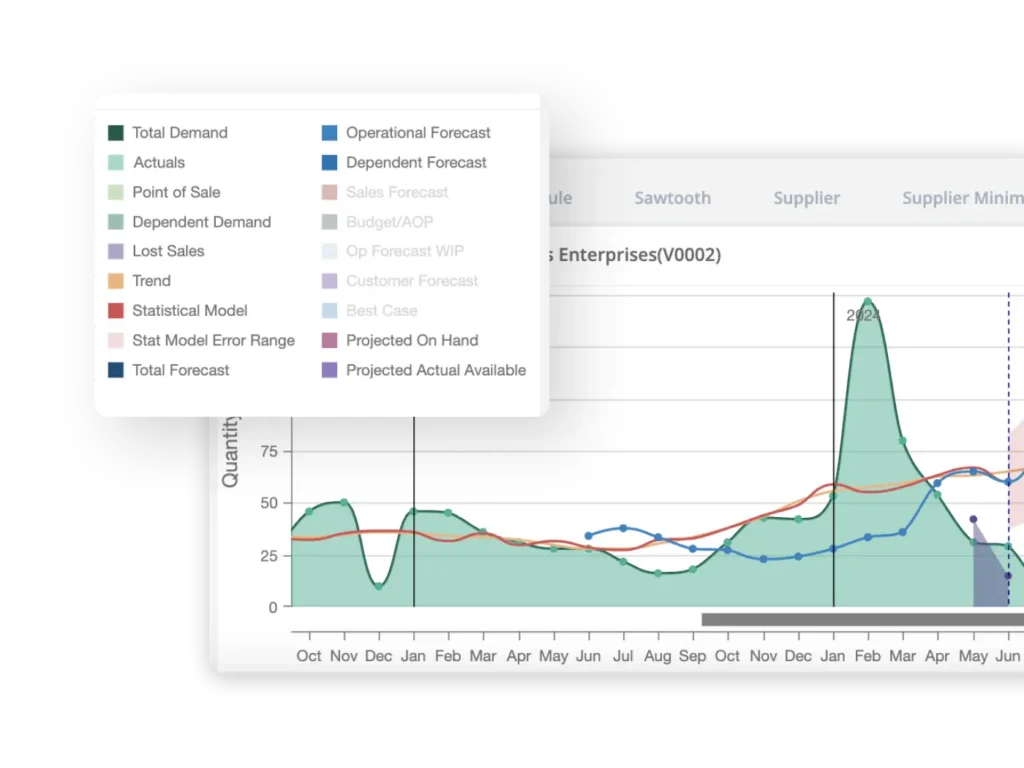
Step One
Re-evaluating your planning system doesn’t mean starting over. The most important data and processes can be carried forward, ensuring continuity across your planning environment. For most teams, the goal is to improve how planning works day to day without disrupting what’s already in place.
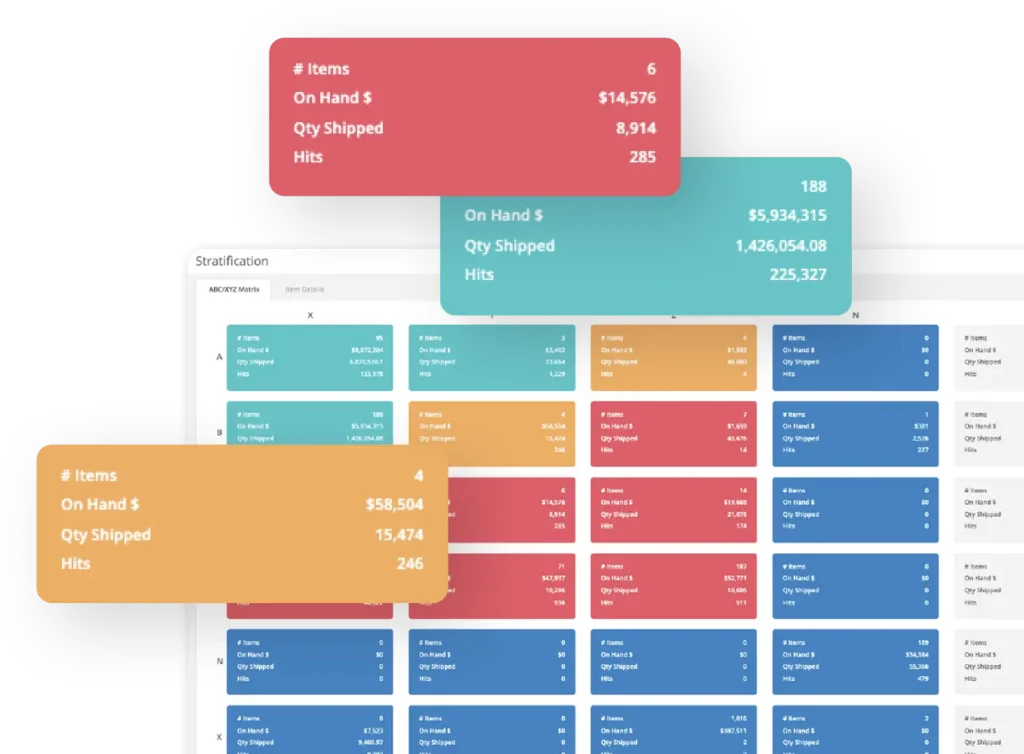
Step Two
StockIQ can replicate your current planning environment in a controlled setting, allowing you to compare outcomes side by side. Evaluate forecasting, inventory decisions, and service levels before making any production changes.
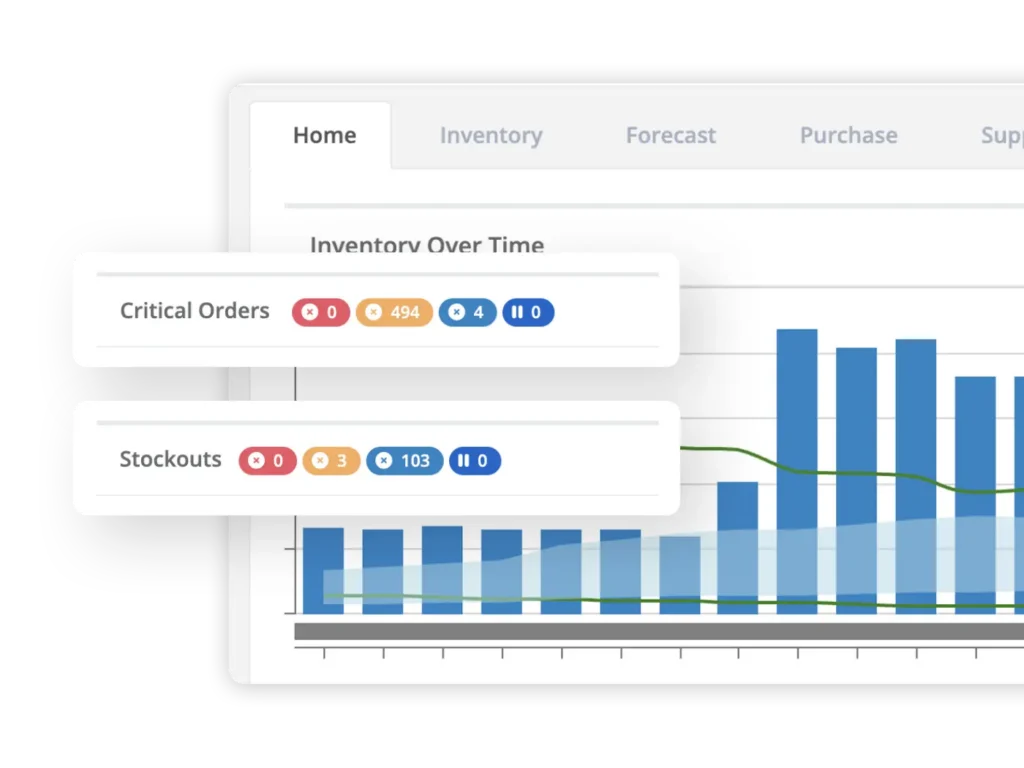
Step Three
Many teams run StockIQ in parallel before fully transitioning. Confidence builds through comparison — not pressure.
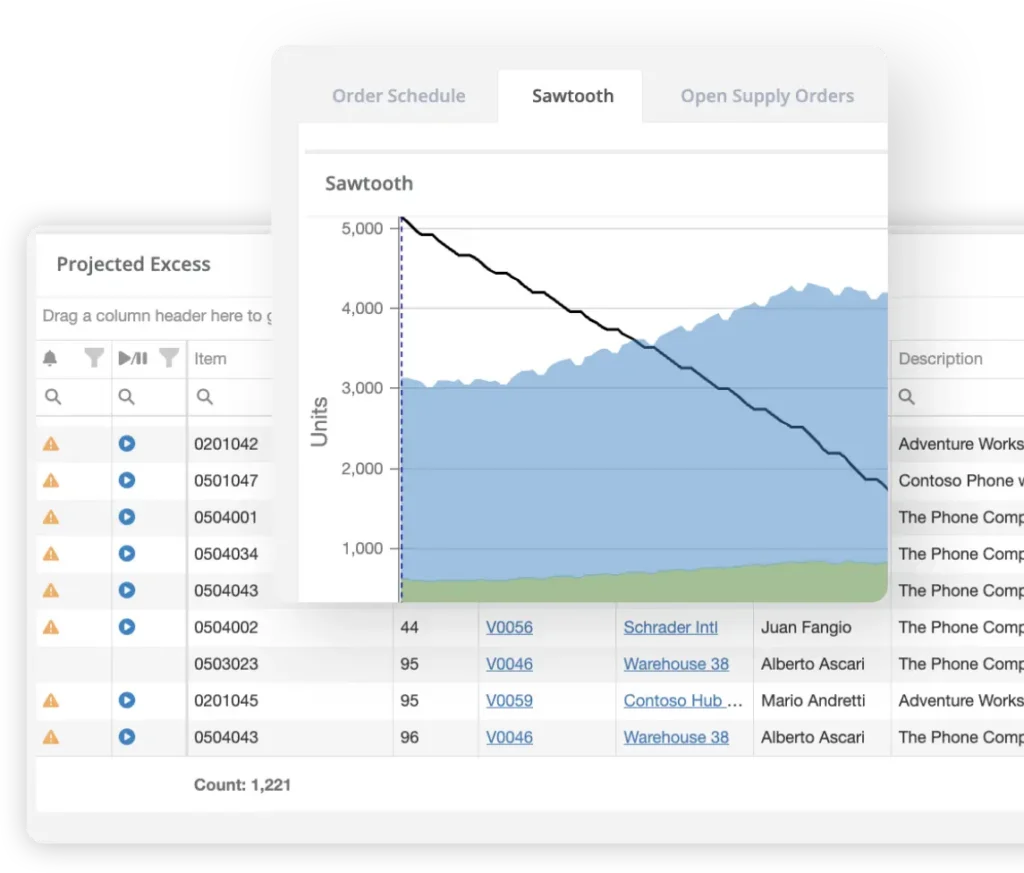
Step Four
Transitions are typically measured in weeks. This is not a rip-and-replace exercise. It’s a controlled evaluation designed to protect your data, planners, and performance.
Rather than a checklist comparison, the real difference shows up in how each platform supports decision-making.
Demand Planning
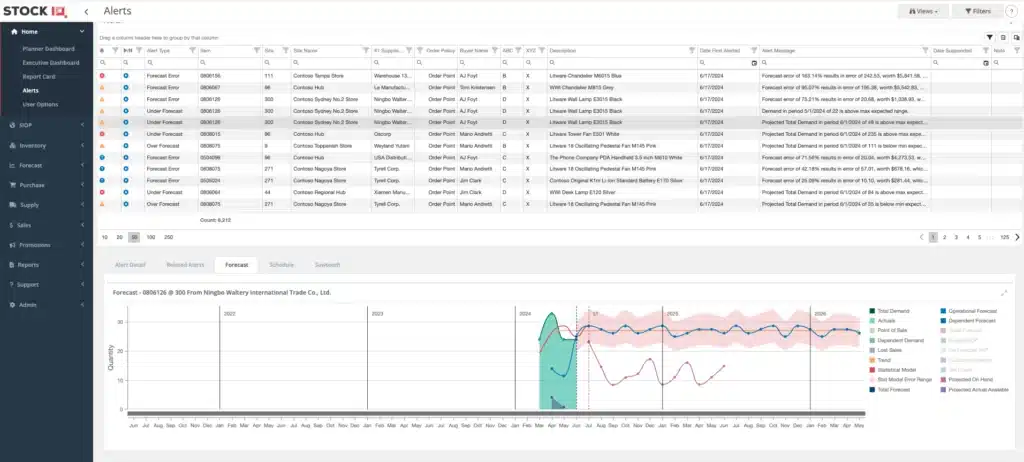
StockIQ supports service-level targets, demand variability, and inventory segmentation with logic your team can understand and trust—no black-box outputs.
Replenishment Planning
Automation where it helps. Control where it matters. StockIQ enables planners to manage exceptions without rigid system constraints.
Inventory Optimization
High SKU counts. Multiple locations. Variable lead times. StockIQ is built to handle complexity without adding unnecessary overhead.
Customer Experience
StockIQ works closely with your team from implementation through ongoing optimization—focused on adoption, usability, and long-term success.
Snapshot
The result? Fewer firefighting moments. More proactive decision-making.
A short conversation can help you understand:
 Whether StockIQ is a better long-term fit
What switching would realistically involve
How the economics compare over time
What to do if you’re facing downtime risk right now
Yes. StockIQ offers native integrations with Business Central, D365 F&SC, GP, and Acumatica, an in-house support and development team, and is rated higher than Blue Ridge on G2 across Overall Satisfaction, Quality of Support, and Product Direction (Fall 2026). StockIQ is built by a team of former demand planners, so the platform is designed around how planners actually work day to day.
Most teams see value from StockIQ within 12 weeks of starting implementation. The migration path is designed to carry forward your existing data and processes rather than starting from scratch, so switching improves how planning works without disrupting what’s already in place.
StockIQ has native, in-house-built integrations with Microsoft Dynamics (Business Central, D365 F&SC, GP) and Acumatica, along with other major ERP platforms. Unlike vendors that rely on outsourced development for integration work, StockIQ’s integration team is in-house.
Forecast and planning continuity comes first. The goal of migration isn’t to rebuild your planning environment from zero — it’s to carry forward the data and processes that already work and improve on what doesn’t.
Any software transition carries some risk, which is exactly why StockIQ has built a dedicated migration path for teams moving off Blue Ridge — focused on reducing operational disruption during the switch, not adding to it. A short conversation with our team can walk you through what switching would realistically involve for your setup.
StockIQ is rated higher than Blue Ridge on G2 for Quality of Support (among others), and support is handled in-house rather than outsourced. That matters most when something goes wrong and you need a fast, direct response.
